
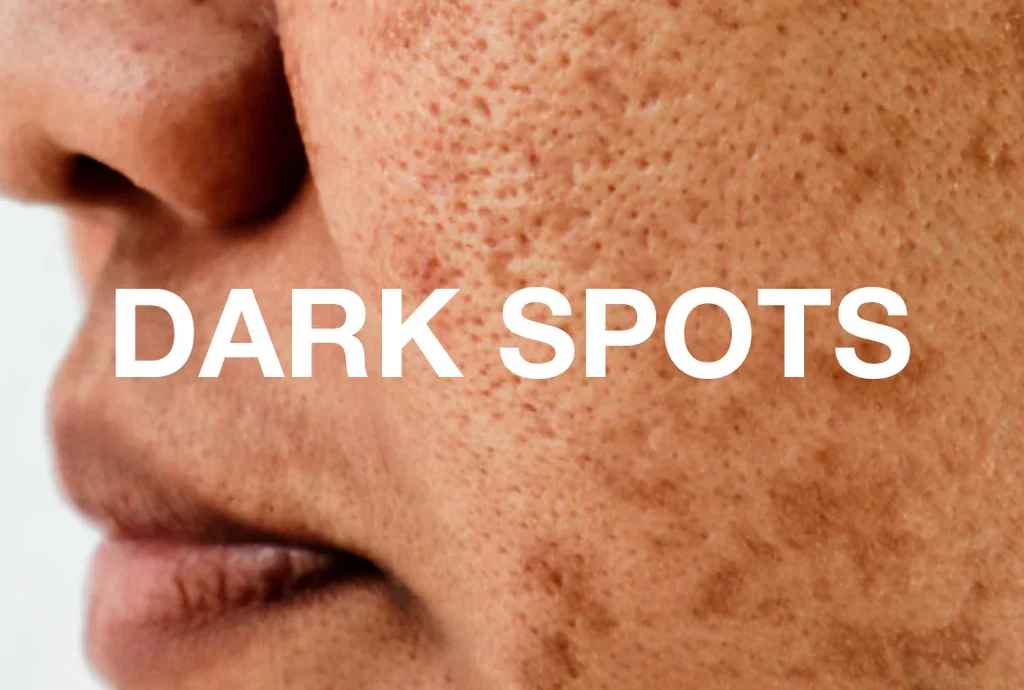
Dark spots on the face, also known as hyperpigmentation, are a common concern for people of all ages. They can appear as small freckles, larger patches, or uneven discoloration caused by sun exposure, hormonal changes, aging, or skin injuries. While many over-the-counter products promise to reduce dark spots, the guidance of a skin specialist can significantly improve results.
In 2026, dermatologists emphasize a combination of professional advice, scientifically backed treatments, and consistent skincare routines to effectively reduce dark spots. This article highlights expert tips recommended by skin specialists to treat dark spots efficiently and safely.
Causes of Dark Spots on the Face
Understanding the causes of dark spots is the first step toward treatment. According to skin specialists, common reasons include:
1. Sun Exposure
Ultraviolet (UV) rays stimulate melanin production in the skin, which can result in sunspots or age spots. Regular sun exposure without protection is a leading cause of facial pigmentation.
2. Hormonal Changes
Conditions like pregnancy, menopause, or hormonal therapy can lead to melasma, a type of pigmentation that appears as dark patches on the face.
3. Aging
As we age, the skin produces melanin unevenly. Older skin is more prone to dark spots, especially if it has been exposed to the sun over the years.
4. Skin Injuries or Inflammation
Acne, cuts, or other skin injuries can leave post-inflammatory hyperpigmentation. This is a common reason why even healed acne can leave marks behind.
5. Genetics
Some people are genetically predisposed to developing pigmentation, making it essential to adopt preventive measures early.
Expert Skin Specialist Tips to Treat Dark Spots
Skin specialists recommend a holistic approach combining topical treatments, professional procedures and lifestyle adjustments. Here are the key tips:
1. Use Targeted Topical Treatments
Skin specialists often recommend using serums and creams with active ingredients proven to reduce pigmentation:
- Vitamin C: Brightens skin and reduces melanin formation.
- Niacinamide: Helps lighten dark spots and improves skin barrier function.
- Hydroquinone (under supervision): Effective for stubborn pigmentation but should be used carefully.
- Retinoids: Boost cell turnover, helping fade dark spots over time.
- Kojic Acid or Azelaic Acid: Useful for mild pigmentation and sensitive skin.
Tip: Always follow concentration and application guidelines provided by a skin specialist to avoid irritation.
2. Protect Your Skin From the Sun
Sun protection is crucial when treating dark spots. Skin specialists emphasize:
- Applying broad-spectrum sunscreen (SPF 30+) daily, even indoors.
- Wearing protective clothing and wide-brimmed hats outdoors.
- Reapplying sunscreen every 2–3 hours during prolonged sun exposure.
Without consistent sun protection, even the best treatments may fail, as UV exposure can worsen pigmentation.
3. Professional Skin Treatments
For stubborn or severe dark spots, skin specialists may recommend professional procedures:
- Chemical Peels: Light acids remove the top layer of skin, promoting new, even-toned skin.
- Laser Therapy: Targets melanin in the skin to break down dark spots.
- Microneedling: Promotes collagen production and improves absorption of topical treatments.
- Microdermabrasion: Exfoliates dead skin cells, helping lighten pigmentation gradually.
Professional treatments should always be done under the guidance of a certified skin specialist to ensure safety and effectiveness.
4. Gentle Exfoliation
Regular exfoliation helps remove dead skin cells and improves the penetration of treatments. Skin specialists recommend:
- Using chemical exfoliants like AHA/BHA 1–2 times per week.
- Avoiding harsh scrubs that can irritate skin and worsen pigmentation.
- Combining exfoliation with serums recommended by your skin specialist for maximum effect.
5. Consistent Skincare Routine
Skin specialists stress the importance of a consistent routine:
- Cleanse — Use a gentle, non-irritating cleanser.
- Treat — Apply pigmentation-targeted serums as advised.
- Moisturize — Keep skin hydrated to support healing and barrier function.
- Protect — Daily sunscreen is mandatory.
Consistency is key, dark spots often take several weeks or months to fade, even with professional guidance.
6. Healthy Lifestyle Habits
Dark spots are influenced by overall health. Skin specialists often suggest:
- Maintaining a balanced diet rich in antioxidants (Vitamin C, E, and carotenoids).
- Staying hydrated to support skin renewal.
- Getting adequate sleep, as skin repairs itself at night.
- Managing stress, which can worsen hormonal imbalances and skin conditions.
7. Avoid DIY Treatments That Can Backfire
Skin specialists caution against using unverified home remedies:
- Strong lemon juice, harsh acids, or bleach can irritate skin and worsen pigmentation.
- DIY remedies may cause chemical burns or uneven results.
- Always consult a skin specialist before trying new treatments, even natural ones
8. Monitor Your Skin Regularly
Regular check-ups with a skin specialist help:
- Track the effectiveness of treatments
- Adjust concentrations or switch products if needed
- Detect any new pigmentation that may require specialized care
You Should Know:Early intervention often leads to better outcomes and faster results.
Key Summary
Dark spots on the face can affect confidence and overall appearance. In 2026 the most effective way to address pigmentation is through a combination of professional guidance, consistent skincare, sun protection, and healthy lifestyle habits. Skin specialists recommend targeted treatments like Vitamin C, niacinamide, and retinoids, complemented by professional procedures for stubborn spots. Gentle exfoliation, daily sun protection, and avoiding harsh DIY remedies are crucial for safe and lasting results.With patience and adherence to expert advice, dark spots can fade, revealing a more even, bright, and healthy complexion.
Visit our website and click here:
Frequently Asked Questions (FAQs)
1. How long does it take for dark spots to fade with treatment?
It typically takes 4–12 weeks depending on the cause, severity, and consistency of the treatment plan.
2. Can a skin specialist completely remove dark spots?
While most dark spots can be significantly reduced, complete removal depends on the type and depth of pigmentation. Early treatment usually yields the best results.
3. Is daily sunscreen really necessary when treating dark spots?
Yes. sunscreen is essential. UV exposure can worsen pigmentation and reverse progress made by treatments.
4. Are professional treatments like lasers safe for all skin types?
Yes. When performed by a certified skin specialist, lasers and other procedures are generally safe but the approach may vary based on skin tone and sensitivity.
5. Can natural remedies replace professional guidance?
Natural remedies may help mild pigmentation but are often less effective. Consulting a skin specialist ensures safe and faster results, especially for stubborn or severe dark spots.


