
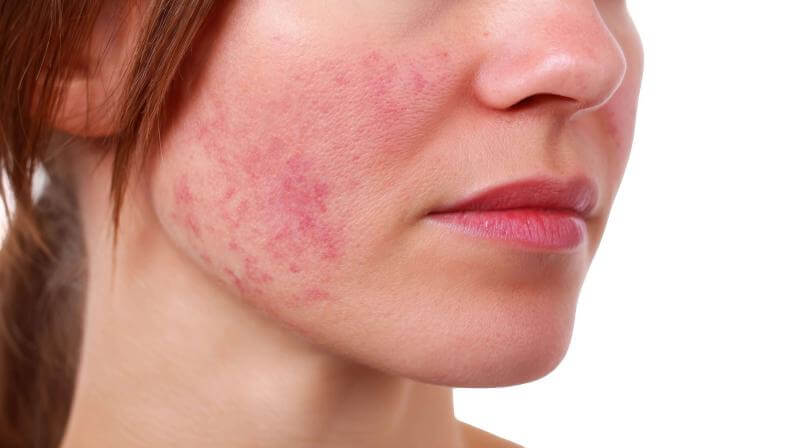
Early symptoms of lupus are often mild and can be mistaken for other health conditions. Paying attention to persistent changes in your body can help you seek medical care before the disease progresses. Identifying these signs early supports timely diagnosis and better long-term management.
Common Early Signs of Lupus
The first symptoms usually develop gradually and may come and go. Some people experience only a few symptoms while others notice several at the same time.
Common warning signs include:
- Persistent fatigue
- Joint pain and stiffness
- Unexplained fever
- Skin rashes
- Hair thinning
- Mouth ulcers
- Sensitivity to sunlight
- Swollen joints
If these symptoms continue for several weeks medical evaluation is recommended.
Skin Changes That Should Not Be Ignored
Skin problems are among the earliest visible signs of lupus. Some people develop a butterfly-shaped rash across the cheeks and nose while others notice red, raised or scaly patches on different parts of the body.
Other skin changes may include:
- Skin irritation after sun exposure
- Changes in skin color
- Slow-healing skin lesions
- Increased scalp sensitivity
Key Points to Know:People looking for the best skin specialist in Lahore should seek professional evaluation if unusual skin changes continue without improvement.
Joint Pain and Ongoing Fatigue
Joint discomfort is another common symptom. Pain often affects the hands, wrists, knees and ankles. The stiffness may be more noticeable in the morning or after periods of rest.
Fatigue can also become severe making daily activities more difficult even after getting enough sleep. When fatigue and joint pain occur together further medical assessment may be necessary.
Symptoms That Affect Internal Organs
As lupus progresses it may involve different organs. The symptoms depend on which part of the body is affected.
Possible signs include:
- Chest pain during deep breathing
- Shortness of breath
- Swelling in the legs
- Frequent headaches
- Memory or concentration problems
- Changes in kidney function
These symptoms require prompt medical attention to reduce the risk of complications.
Common Lupus Risk Factors
Some people are more likely to develop lupus than others.
Risk factors include:
- Family history of autoimmune diseases
- Female gender
- Hormonal influences
- Certain infections
- Long-term exposure to sunlight in sensitive individuals
Key Points to Know:Having these risk factors does not confirm lupus but it may increase the chance of developing the condition.
Tests Used to Confirm Lupus
Doctors use several methods to confirm the diagnosis because no single test can identify lupus on its own.
Common investigations include:
- Blood tests
- Urine analysis
- Autoimmune antibody tests
- Physical examination
- Medical history review
The combination of symptoms and test results helps doctors reach an accurate diagnosis.
Early Medical Care
Receiving medical attention early can reduce the risk of long-term complications. It also allows doctors to manage symptoms before major organs become affected.
Institute Cosmetique encourages individuals with persistent skin changes or unexplained symptoms to seek professional medical advice without delay.
Managing Lupus Successfully
Although it cannot be cured permanently many people manage the condition successfully through proper treatment and healthy daily habits.
Helpful steps include:
- Taking prescribed medications regularly
- Protecting the skin from excessive sunlight
- Eating a balanced diet
- Getting enough rest
- Managing stress
- Attending regular follow-up appointments
Key Points to Know:Institute Cosmetique believes that early recognition, regular monitoring, and appropriate medical care can help improve long-term health and quality of life.
Sum up
Lupus is an autoimmune disease that may affect the skin, joints and internal organs. Early symptoms such as fatigue, joint pain, skin rashes and sunlight sensitivity should never be ignored. Timely diagnosis and appropriate treatment can help control symptoms and reduce the risk of serious complications.
Frequently Asked Questions
1. What are the earliest symptoms of lupus?
Fatigue, joint pain, skin rashes, unexplained fever and sunlight sensitivity are among the most common early symptoms.
2. Can it affect only the skin?
Yes. Some forms mainly affect the skin while others involve multiple organs.
3. Is it a contagious disease?
No. it is an autoimmune disease and cannot spread from one person to another.
4. Can it be controlled with treatment?
Yes. While there is no permanent cure, proper treatment can help control symptoms and reduce flare-ups.
5. When should someone see a doctor for its symptoms?
Medical evaluation is recommended if symptoms such as persistent fatigue, joint pain, skin rashes or unexplained fever continue for several weeks.


